






























































































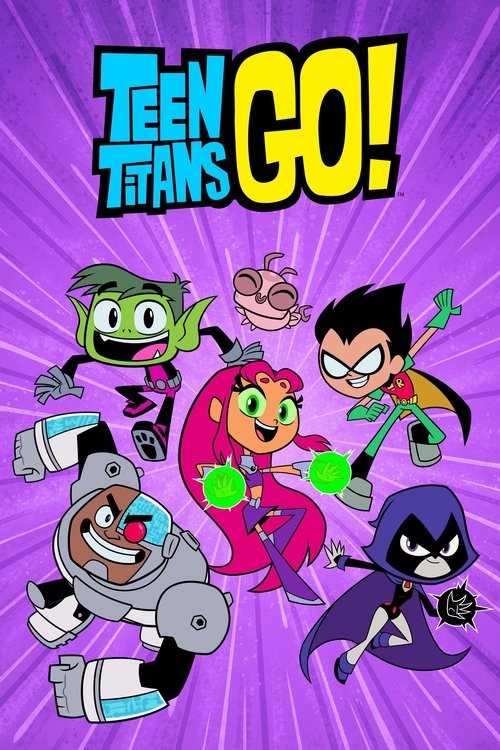
Discover Your Next Favorite Film or Show
The universe of cinema and television offers an endless tapestry of stories, emotions, and artistic visions. Yet, finding that perfect piece to watch can feel like navigating a labyrinth. It's easy to get lost in endless lists or become overwhelmed by metadata that doesn't quite clarify the viewing experience you're seeking. This guide is designed to help you traverse this landscape with intention, moving beyond simple catalog entries to understand the essence of what makes a film or show compelling.
Our aim is to equip you with the knowledge to explore content based on deeper criteria – from the historical context of its creation to the specific feelings it evokes. We’ll help you differentiate between a film's intrinsic qualities and its external presentation, ensuring your search is guided by genuine interest rather than mere selection. Prepare to unlock a more meaningful way to engage with the art of moving images.
Journey Through Time: Films by Era
The historical period in which a film or television series was produced often imbues it with a unique cultural fingerprint. Exploring content by era allows you to witness the evolution of filmmaking techniques, thematic concerns, and societal reflections. Whether you're drawn to the silent grandeur of early cinema, the bold experimentation of the 1970s, the slick productions of the 1990s, or the contemporary digital age, understanding these periods enriches your appreciation.
Consider how different eras approached storytelling. The Golden Age of Hollywood, for instance, developed a distinct visual and narrative style shaped by studio systems and prevailing social norms. Conversely, the rise of independent cinema in later decades often challenged these conventions. By selecting an era, you're not just picking a release date; you're stepping into a specific cultural and artistic moment, ready to absorb the stories that defined it.
Thematic Worlds: Exploring by Genre
Genre serves as a powerful compass, guiding you toward stories that align with your current desires. From the heart-pounding thrills of action and suspense to the intricate plots of mystery, the escapism of fantasy, or the relatable narratives of drama, genres offer a shorthand for the kind of experience you might expect. Understanding the nuances within and between genres can refine your search significantly.
Each genre has its own set of conventions, tropes, and audience expectations, but the most compelling works often play with or subvert these. A sci-fi film might delve into profound philosophical questions, while a romantic comedy could offer sharp social commentary. Recognizing these thematic clusters helps you anticipate the mood and style of a piece, moving beyond a simple label to grasp its potential appeal.
The Architects of Vision: Creative Teams
The individuals behind the camera and behind the scenes are the true artisans of film and television. Directors, writers, cinematographers, and composers each bring a distinct voice and perspective that shapes the final product. If you admire a particular director's vision or a writer's dialogue, exploring their other works is a fantastic way to discover new content that resonates with your taste.
Following the work of a specific creative team allows you to trace recurring themes, stylistic choices, and narrative patterns. A director might be known for their atmospheric tension or their character-driven dramas, while a screenwriter could excel at witty repartee or complex plot structures. Understanding these contributions helps you appreciate the craft and identify future viewing opportunities based on proven talent.
Curating Your Mood: Emotional Journeys
Sometimes, the most effective way to choose what to watch is by considering the emotional state you wish to achieve. Are you seeking a cathartic cry, an evening of laughter, a jolt of adrenaline, or a contemplative escape? Aligning your viewing with your current mood can lead to incredibly satisfying experiences, making the selection process feel more intuitive and personal.
This approach bypasses strict genre definitions and focuses on the intended emotional impact. A film labeled as a 'drama' might be perfect for a reflective evening, while a 'thriller' could be ideal when you're craving excitement. By thinking about the feelings you want to explore – be it inspiration, comfort, shock, or joy – you can target content that promises that specific emotional resonance.
Distinguishing Catalog from Content
It's crucial to differentiate between a description of a film or show and its actual availability. Catalog entries provide vital information about plot, cast, crew, and genre, helping you understand what a piece is *about*. This information is the foundation for deciding if it's something you *want* to watch, based on its artistic merits and thematic promise.
However, a catalog entry doesn't inherently tell you where or how you can access it. The availability of content is a separate consideration, influenced by licensing, distribution, and platform choices. Focusing on the catalog description allows you to build a list of desired films and shows based on their intrinsic qualities, independent of immediate access.
The Nuances of Narrative Structure
Beyond genre and era, the way a story is told:its narrative structure:significantly impacts the viewing experience. Are you in the mood for a linear, chronological tale, or do you enjoy the complexities of non-linear storytelling, flashbacks, or multiple perspectives? Understanding narrative techniques can guide you toward content that engages your intellect and curiosity in specific ways.
A film with a tightly woven, chronological plot might offer a straightforward, immersive experience, perfect for pure escapism. In contrast, a story that jumps through time or reveals information gradually can be a more intellectually stimulating puzzle. Recognizing your preference for certain structural approaches helps you select films and series that resonate with how you enjoy processing information and engaging with plot.
Appreciating Visual and Auditory Style
The aesthetic qualities of a film or television program:its cinematography, production design, and sound design:contribute immensely to its atmosphere and impact. Some viewers are drawn to visually stunning epics with breathtaking landscapes, while others might prefer the intimate, character-focused close-ups often found in dramas. Exploring content based on its stylistic elements can lead to unexpected discoveries.
Consider the mood evoked by different visual palettes or the power of a carefully crafted score. A film noir's shadowy visuals and jazzy undertones create a distinct feeling, just as a vibrant, colorful musical's energetic soundtrack can lift your spirits. Appreciating these sensory aspects allows you to seek out works that appeal to your aesthetic sensibilities, enriching your appreciation of the filmmaker's craft.
Identifying Thematic Depth vs. Surface Appeal
Not all content aims for profound thematic exploration; some prioritize entertainment, thrills, or lighthearted diversion. Recognizing this distinction helps manage expectations and select viewing material that aligns with your goals. Are you looking for a film that makes you think, or one that simply allows you to switch off and relax?
Content with thematic depth often tackles complex social issues, philosophical questions, or intricate character psychology. Conversely, surface-level appeal might focus on action sequences, comedic timing, or straightforward wish fulfillment. Understanding whether you seek intellectual engagement or pure escapism is key to finding a satisfying viewing experience that meets your current needs.
Tips for Effective Content Discovery
- Define Your Interest: Before browsing, consider what you're in the mood for. Are you seeking a specific genre, an emotional response, or perhaps content from a particular decade?
- Leverage Creative Teams: If you enjoyed a film or show, look into the director, writer, or actors involved. Their previous or subsequent works might offer similar quality or thematic elements.
- Explore by Era: Use historical periods as a filter. Discovering films from the 1950s, for example, can offer insights into post-war sentiments and the evolution of cinematic techniques.
- Consider the Mood: Sometimes, the best approach is to choose based on desired feeling:uplifting, thrilling, contemplative, or humorous. This emotional targeting can refine your search effectively.
- Understand Metadata: Learn to read descriptions, cast lists, and genre tags to gauge a piece's potential appeal, but remember this is distinct from availability information.
- Filter by Style: If you appreciate certain visual aesthetics or narrative structures, use these as criteria. This can lead you to uniquely crafted films and series you might otherwise miss.
Eight ways to read a catalogue
| # | Topic | Use |
|---|---|---|
| 1 | Journey Through Time: Films by Era | A practical discovery checkpoint |
| 2 | Thematic Worlds: Exploring by Genre | A practical discovery checkpoint |
| 3 | The Architects of Vision: Creative Teams | A practical discovery checkpoint |
| 4 | Curating Your Mood: Emotional Journeys | A practical discovery checkpoint |
| 5 | Distinguishing Catalog from Content | A practical discovery checkpoint |
| 6 | The Nuances of Narrative Structure | A practical discovery checkpoint |
| 7 | Appreciating Visual and Auditory Style | A practical discovery checkpoint |
| 8 | Identifying Thematic Depth vs. Surface Appeal | A practical discovery checkpoint |
Frequently asked questions
How can I find films from a specific historical period?
You can typically filter content by release year or decade. This allows you to explore films produced during distinct eras, offering a glimpse into the filmmaking styles and societal concerns of that time.
What’s the best way to discover content based on my mood?
Consider the emotional outcome you desire. Are you seeking something heartwarming, suspenseful, thought-provoking, or purely escapist? Matching your viewing to your emotional needs can enhance satisfaction.
How do I know if a director’s other works will appeal to me?
Reviewing a director's filmography often reveals recurring themes, visual styles, or narrative approaches. If you enjoyed one of their films, exploring others they helmed increases the likelihood of finding similar artistic merit.
What is the difference between a genre and a mood?
Genre is a category based on narrative conventions (e.g., horror, comedy). Mood relates to the emotional feeling a piece evokes (e.g., joyful, tense). Content can span genres while aiming for a specific mood.
Why is it important to distinguish catalog information from availability?
Catalog information describes a film's content and artistic qualities, helping you decide if you *want* to watch it. Availability information relates to *where* and *how* you can access it, which is a separate practical matter.
Can I find shows with complex narrative structures?
Yes, look for descriptions mentioning non-linear timelines, multiple perspectives, or intricate plot twists. These elements often indicate a more complex narrative structure designed to engage viewers intellectually.
Expanding Your Cinematic Horizons
Navigating the vast world of film and television doesn't have to be a passive experience. By employing thoughtful strategies:whether focusing on historical eras, thematic genres, the indelible marks of creative teams, or the desired emotional resonance:you can transform discovery into a deliberate and rewarding pursuit. Understanding how to interpret catalog entries, distinguishing them from availability, empowers you to build a curated list of potential viewing experiences based on genuine interest and artistic appreciation.
This approach allows you to move beyond random selection and engage more deeply with the art form. Whether you're a seasoned cinephile or a newcomer exploring the landscape, these methods offer a framework for finding content that truly captivates and satisfies. Embrace the journey of discovery, and unlock a richer, more intentional relationship with the stories that shape our culture and our lives.